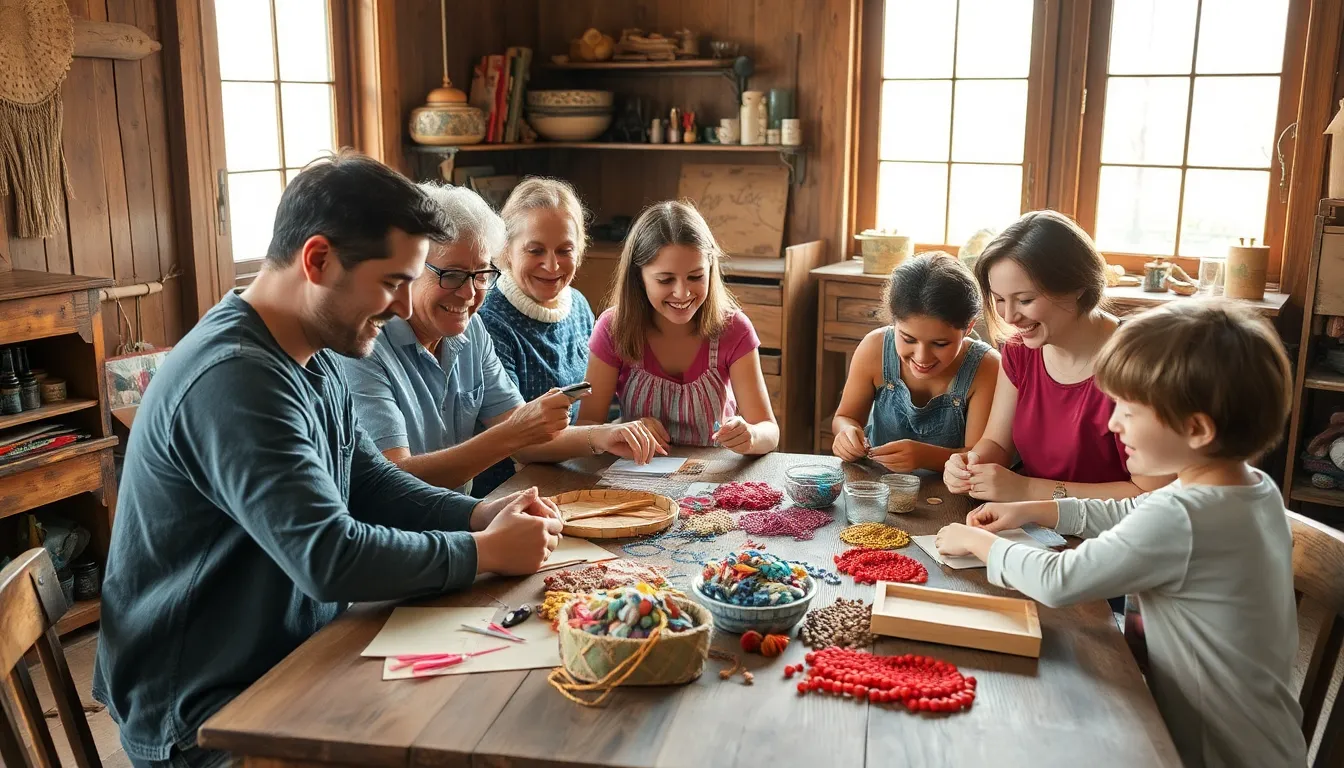
In a world where family dinners sometimes consist of everyone staring at their phones, family tradition workshops are the perfect antidote. Imagine gathering around the table, not just for a meal but to create memories that’ll have everyone laughing for years to come. These workshops aren’t just about passing down recipes; they’re about passing down stories, skills, and a whole lot of love.
Overview of Family Tradition Workshops
Family tradition workshops serve as an effective solution to bridge the communication gap often observed during family gatherings. These workshops facilitate opportunities for family members to engage in meaningful interactions. Rather than just exchanging recipes, they provide a platform for storytelling and skill-sharing.
Participants explore various art forms, cooking techniques, and cultural customs during these workshops. Each session typically varies in theme, catering to diverse interests and age groups. Scheduling regular workshops helps establish a routine, allowing families to reconnect on a deeper level.
In addition, these workshops foster a sense of belonging. They create an atmosphere where love and support thrive, encouraging family members to express themselves openly. Creating memories through joint activities enhances the emotional bonds shared within families.
Families benefit from hands-on experiences, as they participate together in activities such as crafting, cooking, or gardening. Engaging in these practical tasks builds teamwork and cooperation. Some workshops even incorporate local traditions, enriching participants’ connections to their cultural heritage.
By incorporating music, dance, or storytelling, workshops contribute to a multifaceted learning experience. Family members not only acquire new skills but also create an enjoyable environment that celebrates their unique family history. Structured activities facilitate structured dialogues, allowing everyone’s voice to be heard.
Family tradition workshops focus on preserving and celebrating family heritage through engaging and interactive experiences. They encourage unity and connection, ensuring that cherished traditions continue for generations to come.
Benefits of Participating in Family Tradition Workshops
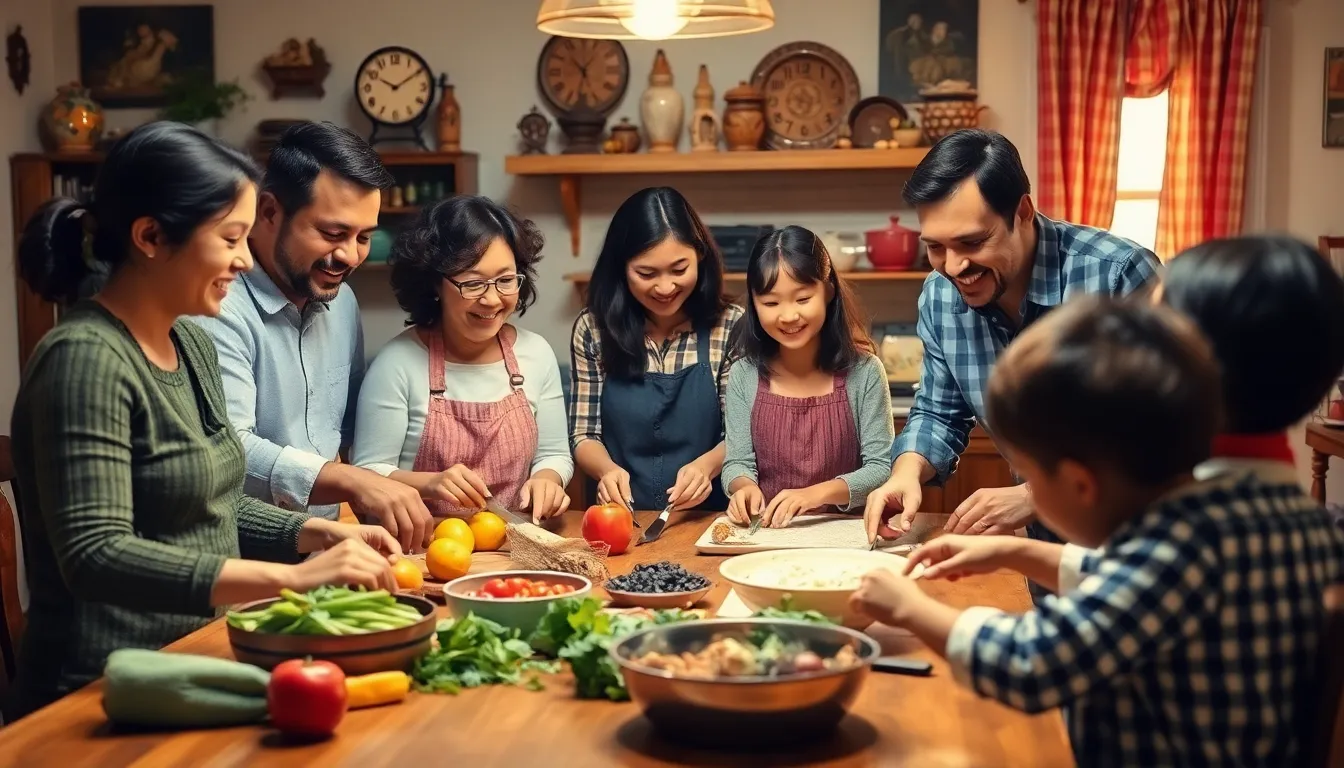
Family tradition workshops promote connection and interaction among family members. Engaging in activities fosters a sense of togetherness and encourages open communication.
Strengthening Family Bonds
Activities in these workshops enhance emotional connections among family members. Participating families strengthen their ties through shared experiences, like cooking or crafting. Each session offers opportunities for teamwork, allowing family members to support one another. Regular attendance to workshops creates a routine that reinforces these bonds over time. Families benefit from applying skills learned together, which cultivates collaboration and trust.
Preserving Cultural Heritage
These workshops play a crucial role in keeping cultural traditions alive. By incorporating local customs and practices, families deepen their appreciation for their heritage. Each workshop often highlights unique stories and historical elements that celebrate family backgrounds. As participants explore traditional art forms and culinary techniques, they pass down knowledge to younger generations. Engaging in these experiences ensures that cherished traditions remain vibrant within families.
Types of Family Tradition Workshops
Family tradition workshops encompass diverse themes that cater to the unique interests of families. Each type fosters connection and engagement among participants.
Craft Workshops
Craft workshops invite families to explore creativity through hands-on activities. Participants can create items like homemade decorations or personal gifts. Engaging in crafts like knitting, painting, or woodworking encourages collaboration. Each session focuses on learning new skills while emphasizing the importance of artistic expression. With projects tailored for various age groups, everyone in the family can contribute their ideas and talents. These workshops celebrate individuality while fostering a shared experience that strengthens emotional bonds.
Culinary Workshops
Culinary workshops revolve around cooking and baking techniques that families enjoy together. Participants follow recipes passed down through generations or experiment with new cuisines. Each session provides an opportunity to share stories associated with specific dishes, enhancing their significance. Families explore local ingredients and regional flavors, connecting with their heritage through food. Cooking together cultivates teamwork and communication. Engaging in this delicious activity enables families to create lasting memories while developing essential culinary skills.
Storytelling Workshops
Storytelling workshops emphasize the power of narratives in preserving family history. Participants share experiences, anecdotes, and cultural tales that enrich their connections. Each session encourages creativity in storytelling, allowing participants to express themselves through different formats like oral presentations or written works. Sharing stories fosters empathy and understanding among family members. These workshops highlight the importance of listening and connecting with one another, ensuring that cherished family tales are passed down to future generations.
How to Organize a Family Tradition Workshop
Organizing a family tradition workshop requires thoughtful planning to ensure meaningful engagement. This process begins with selecting an appropriate theme that resonates with all family members.
Choosing the Right Theme
Selecting the right theme is crucial for engaging participants. Consider interests that resonate with the family, such as cooking old recipes or learning a traditional craft. Cultural customs can serve as themes, allowing families to explore their heritage together. Sessions can focus on specific holidays or family milestones to foster deeper connections. Feedback from family members can help pinpoint which themes will generate excitement and participation.
Inviting Family Members
Inviting family members is an essential step in the organization process. Reach out to everyone, using phone calls or group messages to create a personal touch. Emphasize the importance of family bonding during the invitation process. Clearly communicate the workshop’s goals and activities, ensuring everyone understands their contributions. Offering flexible dates and times accommodates different schedules, promoting higher attendance. Encourage individuals to bring stories or recipes that enhance the shared experience.
Family tradition workshops offer a powerful way to strengthen bonds and preserve cherished customs. By engaging in hands-on activities and sharing stories, families can reconnect and create lasting memories. These workshops not only enhance communication but also foster a sense of belonging and support among members.
With diverse themes and activities, there’s something for everyone, ensuring that each family can find their unique path to connection. Embracing these workshops means embracing a legacy of love and tradition that can be passed down through generations. As families gather to celebrate their history, they reinforce the ties that bind them, creating a brighter future together.