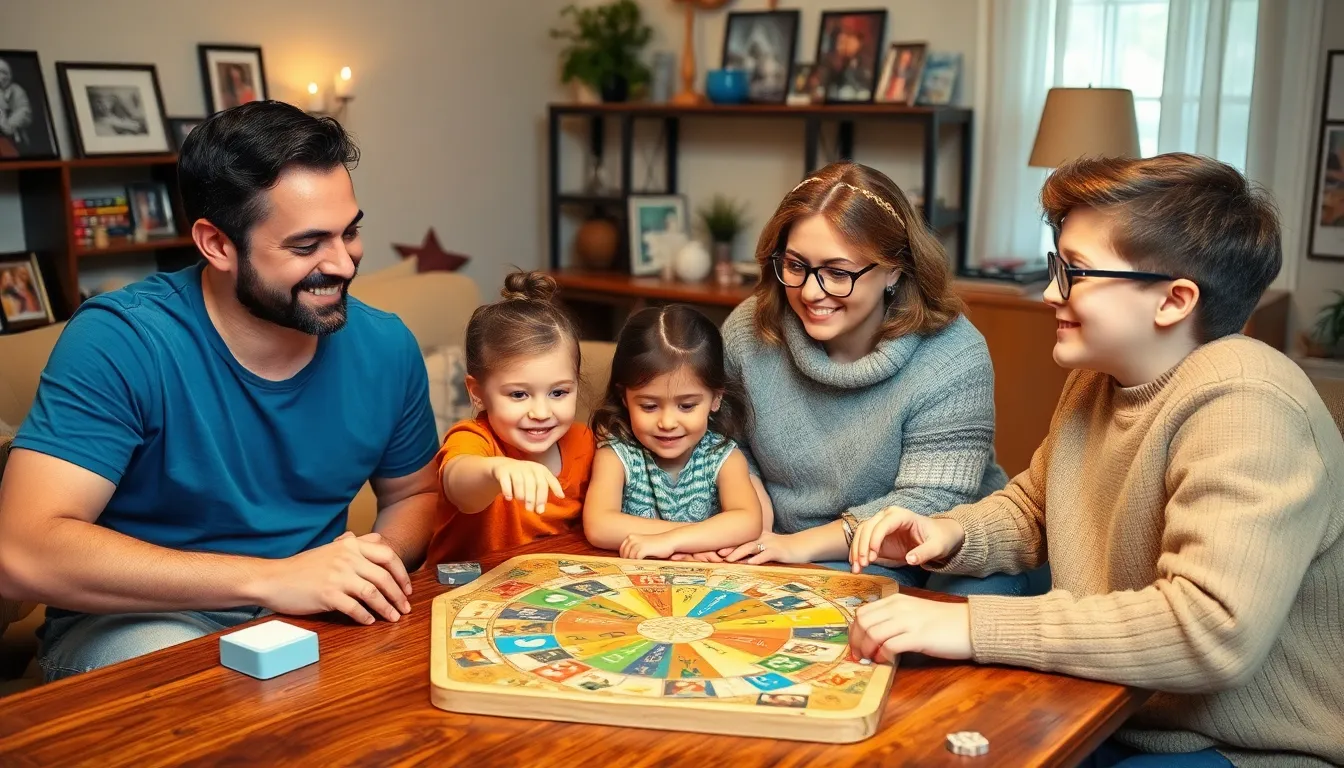
In a world where screens often steal the spotlight, family game nights offer a refreshing escape that brings everyone together. Imagine laughter echoing through the house as kids and adults compete in friendly rivalry, all while creating memories that last a lifetime. Family games for all ages aren’t just about winning; they’re about bonding, sharing stories, and maybe even a little bit of playful sabotage.
Overview of Family Games for All Ages
Family games encompass a wide variety of activities suitable for all age groups. Board games, card games, and outdoor games all contribute to building connections among family members. These games engage not only children but also adults, ensuring everyone can participate and enjoy themselves.
Many traditional board games encourage critical thinking and teamwork. Games like Monopoly or Scrabble foster strategic planning and vocabulary skills. Card games, such as Uno or Go Fish, provide fast-paced fun, appealing to younger players while also entertaining adults. Outdoor games, including Capture the Flag or Frisbee, promote physical activity and reinforce social interaction.
Considerations for choosing family games include the age range of participants and their interests. Selecting games that suit different skill levels enhances participation and enjoyment. Cooperative games, which require teamwork rather than competition, can be particularly effective in maintaining a positive atmosphere. These games allow families to work together toward a common goal, strengthening relationships.
Time commitments for these games vary widely. Some games might need only 20 minutes, while others could take several hours. Planning accordingly ensures everyone stays engaged. Flexibility in game choice accommodates varying attention spans and available time.
Incorporating game nights into family routines creates opportunities for connection. Regular play fosters familiarity with each other’s gameplay styles, enhancing the enjoyment. Family games not only serve as entertainment but also create lasting memories, reinforcing bonds that last well beyond game night.
Benefits of Playing Family Games
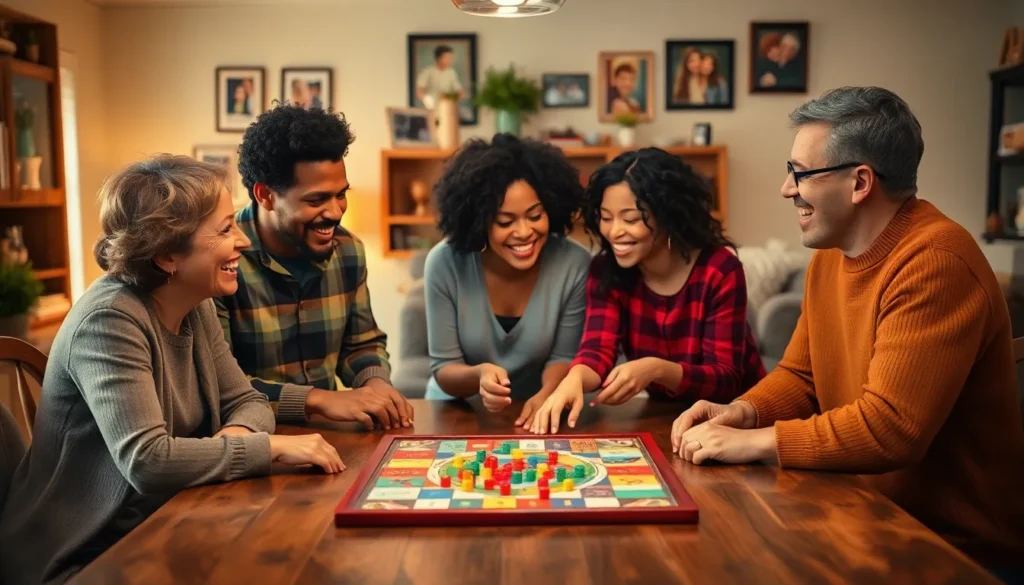
Family games offer numerous advantages beyond just fun. These activities strengthen relationships and encourage communication among family members.
Enhancing Family Bonds
Bonding happens through shared experiences, laughter, and teamwork during game nights. Family members learn from each other while navigating challenges in games, fostering deeper connections. Engaging in friendly competition often leads to lighthearted banter and joyful memories. Such moments help establish trust, loyalty, and understanding within the family unit. Prioritizing game nights builds traditions that reinforce family unity over time.
Developing Skills and Learning Together
Games serve as tools for skill development in various areas. Playing board games encourages critical thinking, strategy, and problem-solving abilities. Children improve their social skills through interaction, cooperation, and sometimes, healthy competition. Educational games often enhance learning in subjects such as math, vocabulary, and history while keeping engagement high. Families benefit from learning together, promoting a culture of curiosity and collaboration, ensuring that everyone grows in knowledge and confidence.
Types of Family Games
Family games come in various forms that cater to different interests and ages. Understanding these types helps families choose activities that everyone can enjoy together.
Board Games for All Ages
Board games offer something for everyone. Classic choices like Monopoly provide strategic fun for older children and adults. Games such as Candy Land engage younger players with easy-to-follow rules. Several games, like Catan and Ticket to Ride, promote teamwork and critical thinking, making them great for mixed-age groups. Board games create a shared environment where family members can encourage each other while enjoying lighthearted competition.
Card Games for Family Fun
Card games bring excitement to family game nights. Uno, with its fast-paced action, appeals to both kids and adults alike. Traditional games like Go Fish and Crazy Eights suit younger players, enabling them to practice skills like counting and memory. Some card games, like Exploding Kittens, incorporate humor and strategy, appealing to a wide audience. Card games often require minimal setup, making them convenient for quick play sessions that fit into busy family schedules.
Outdoor Games and Activities
Outdoor games encourage active play and interaction. Lawn games like cornhole and bocce ball suit all ages, fostering a fun atmosphere outside. Tug-of-war requires teamwork and physical effort, making it enjoyable for larger family gatherings. Scavenger hunts promote exploration and creativity, particularly for younger participants. Engaging in outdoor activities strengthens family bonds while providing opportunities for exercise and fresh air, essential for overall well-being.
Tips for Choosing the Right Family Game
Choosing the right family game enhances the overall experience. Several factors can determine the best game for a family game night.
Considering Age Appropriateness
Select games that cater to the age range of all players. Games designed for younger children help develop basic skills. Examples include Candy Land for preschoolers and Uno for slightly older kids. Adults can join in while ensuring younger players remain engaged. Similarly, consider games that include simple rules to avoid confusion. Mixed-age groups benefit from games like Catan and Ticket to Ride, which offer layers of strategy without overwhelming younger participants.
Balancing Complexity and Enjoyment
Aim for a balance between complex mechanics and fun. While more intricate games often attract older kids and adults, simpler versions keep younger players involved. Cooperative games promote teamwork and can bridge age differences. Family favorites like Spirit Island highlight collaborative efforts. Furthermore, ensure the gameplay matches the available time. Simple games can be enjoyable in shorter bursts. Keeping the complexity flexible fosters an inclusive atmosphere while enhancing the enjoyment of all participants.
Family game nights offer a unique opportunity to strengthen bonds and create cherished memories. By engaging in a variety of games suitable for all ages, families can enjoy quality time together while fostering communication and teamwork. The laughter and joy shared during these moments enhance relationships and encourage personal growth.
Choosing the right games based on age and interests ensures everyone stays engaged and has fun. Prioritizing these game nights not only promotes connection but also cultivates a culture of curiosity and collaboration within the family. Embracing this tradition can lead to lasting benefits that extend beyond the game board, enriching family life for years to come.