In a world that moves faster than a toddler on a sugar high, family traditions can feel like a cozy blanket on a chilly evening. They’re the glue that holds families together, weaving stories and memories that last a lifetime. But let’s face it—who has time to figure out how to keep those traditions alive while juggling work, school, and the occasional existential crisis?
Overview of Family Tradition Experts
Family tradition experts specialize in guiding families to establish, maintain, and pass down meaningful customs. He or she understands that traditions foster connection, providing a sense of belonging and identity within the family unit. Their expertise often lies in recognizing which practices resonate with family values and history.
Cultural backgrounds influence the type of traditions families adopt. Each expert might suggest incorporating elements from diverse heritages, enriching the family experience. Knowledge gained from various disciplines allows these experts to offer family-centered strategies that fit different lifestyles.
Customs vary widely, encompassing rituals, celebrations, and shared activities. Experts emphasize the importance of communication in creating routines that everyone cherishes. By integrating feedback from all family members, they enhance participation and commitment to traditions.
Resource availability is another area where these specialists excel. They often provide practical tools, such as worksheets or guides, to help families articulate their values and choose suitable practices. Workshops and seminars led by these professionals create opportunities for families to share experiences and learn from one another.
Family tradition experts recognize the challenges families face today. Many busy schedules and life changes can hinder the preservation of traditions. With tailoring techniques, they encourage families to adapt traditions, ensuring relevance and continuity despite external pressures. They focus on instilling flexibility, allowing families to modify traditions while retaining core values.
Engagement in family traditions by all members strengthens relationships, leading to higher emotional resilience. Experts advocate for simplicity. Families may discover that even small, consistent practices can have profound impacts on their bonds.
Importance of Family Traditions
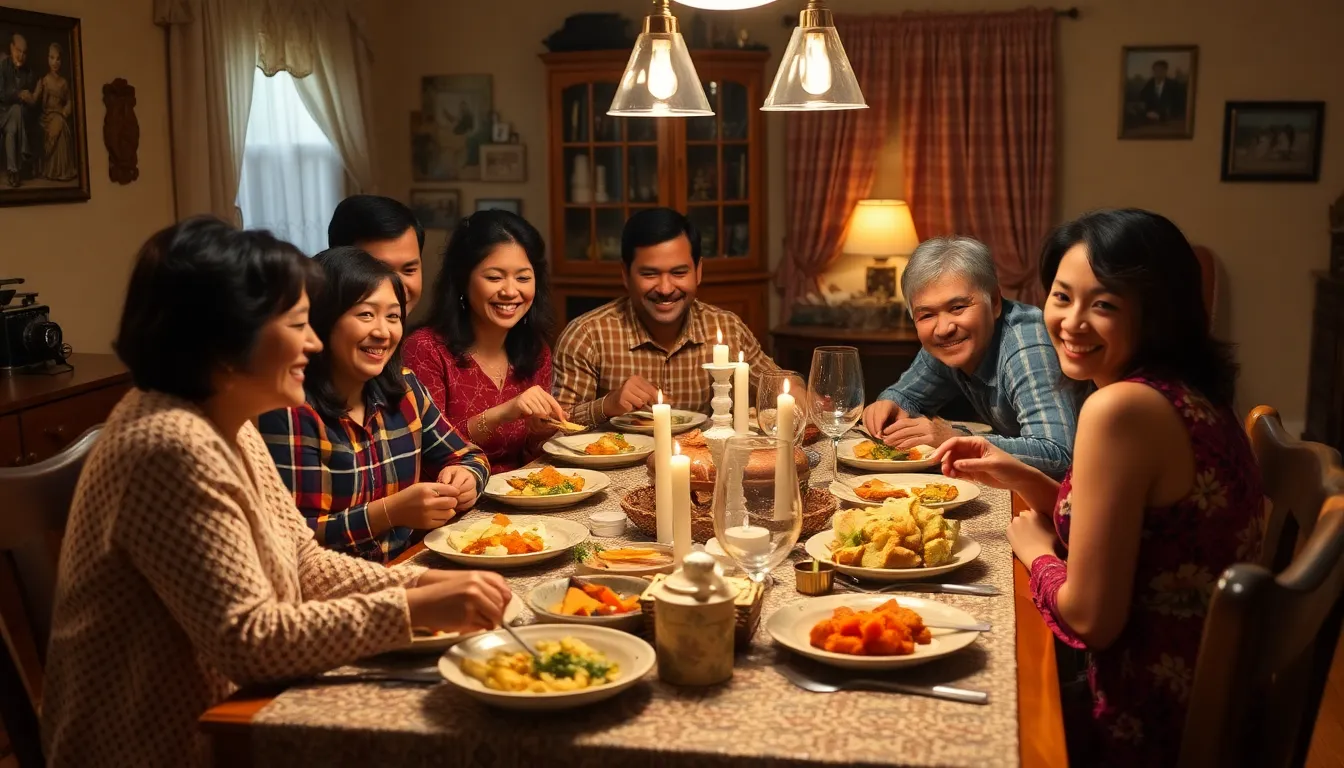
Family traditions play a crucial role in fostering a sense of connection and belonging. They create lasting memories and define family identity.
Building Family Identity
Establishing traditions shapes how family members perceive their shared history. Families can create rituals surrounding holidays, milestones, or weekly gatherings. Celebrating these moments integrates each member’s cultural background, enhancing a collective identity. This blend of customs builds a sense of pride and belonging that can be passed down. Each generation can adapt traditions, ensuring they stay relevant and meaningful. Families can thus maintain strong ties to their roots while also evolving their practices to reflect current values.
Strengthening Bonds
Consistent family traditions reinforce relationships among members. Engaging in shared activities fosters communication and teamwork. Regular participation in traditions provides opportunities for family members to connect and support each other. These moments help individuals feel valued and valued significantly enhance emotional resilience. In times of challenge, recalled traditions serve as reminders of love and unity. By prioritizing these practices, families strengthen connections that sustain them through life’s ups and downs.
Role of Family Tradition Experts
Family tradition experts play a crucial role in guiding families toward establishing meaningful customs. They provide support that enhances family connections and fosters a sense of belonging for all members.
Guidance and Support
These specialists offer tailored advice, helping families articulate their values. Family tradition experts focus on understanding the unique dynamics within each family, recognizing that every member contributes to the tradition. They encourage discussions that promote inclusivity, ensuring that everyone’s voice is heard. Experts also provide strategies for incorporating traditions into busy schedules, simplifying the process while maximizing the emotional impact. Families benefit from this support by creating stronger bonds and shared experiences that resonate across generations.
Workshops and Resources
Family tradition experts conduct workshops designed to empower families in creating and maintaining traditions. These sessions cover various topics, from exploring cultural backgrounds to developing personalized rituals. Participants receive access to resources that enhance their understanding of tradition-building and encourage collaborative efforts. Workshops provide a platform for families to share experiences and learn from peers, fostering a sense of community. Practical tools gained during these sessions help families adapt their customs to fit modern lifestyles.
Common Family Traditions
Family traditions often create a sense of continuity and family identity. They can take various forms, from celebrations to everyday rituals.
Celebrations and Holidays
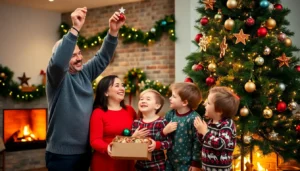
Families celebrate special occasions, such as birthdays, anniversaries, and holidays. Each event often includes unique customs like baking favorite recipes or decorating homes together. Families might participate in cultural festivals, embracing their heritage through traditional foods and activities. Gathering with extended family strengthens connections and fosters shared memories. Incorporating new practices allows families to adapt traditions for modern lifestyles while maintaining their essence. Celebrating together reinforces bonds and creates lasting memories that define family identity.
Rituals and Customs
Rituals shape the everyday lives of families, often providing a comforting routine. Families might gather for weekly meals, reflecting their commitment to quality time. Morning routines, like special breakfast dishes, or evening rituals, such as reading together, create a structured family atmosphere. Celebrating the changing seasons with activities like planting flowers or autumn harvest gatherings connects generations. Customized rituals, such as family game nights or storytelling sessions, encourage creativity and engagement. These practices not only strengthen relationships but also instill a deeper understanding of shared values and history.
Challenges in Maintaining Family Traditions
Family traditions often face numerous challenges in the modern landscape. Changing lifestyles and commitments interfere with the ability to celebrate these customs. Families may find it difficult to synchronize schedules, making it harder to gather regularly.
Modern Influence
Technology significantly impacts family dynamics. Many families feel the pull of smartphones and social media during traditional gatherings. Distractions from devices can break the focus on building connections. Additionally, the fast-paced lifestyle prevalent today often prioritizes convenience over meaningful interactions. Families may create new traditions centered around digital experiences, which can dilute the essence of original customs.
Integration of Diverse Cultures
Cultural diversity introduces both richness and complexity into family traditions. Blending traditions from different backgrounds poses challenges in finding common ground. Some family members may struggle to embrace differing customs fully. Compromises may require thoughtful communication and collaboration for successful integration. Balancing distinct cultural practices fosters unity while celebrating individual identities, ensuring that every member feels valued. Family traditions can adapt, but maintaining authenticity remains crucial.
Family traditions play a crucial role in fostering connections and creating lasting memories. They offer a sense of belonging and identity that families can cherish for generations. With the guidance of family tradition experts, families can navigate the complexities of modern life while maintaining meaningful customs. These specialists provide valuable resources and support, making it easier for families to adapt traditions to fit their unique lifestyles. By prioritizing flexibility and simplicity, families can engage in rituals that enhance their relationships and emotional resilience. Embracing these traditions not only strengthens family bonds but also enriches their shared history, ensuring that the essence of family remains vibrant and alive.