Imagine a world where children can express themselves through the art of fashion. Sounds fabulous, right? Fashion design classes for kids offer a vibrant space for young minds to explore their creativity, build confidence, and acquire skills that go beyond sketches and fabric. This isn’t just about creating beautiful clothes: it’s about empowering children to channel their imagination into tangible designs while having a bit of fun along the way. So, let’s jump into why enrolling your child in a fashion design class could be one of the best decisions you ever make.
The Importance Of Fashion Design Education For Children
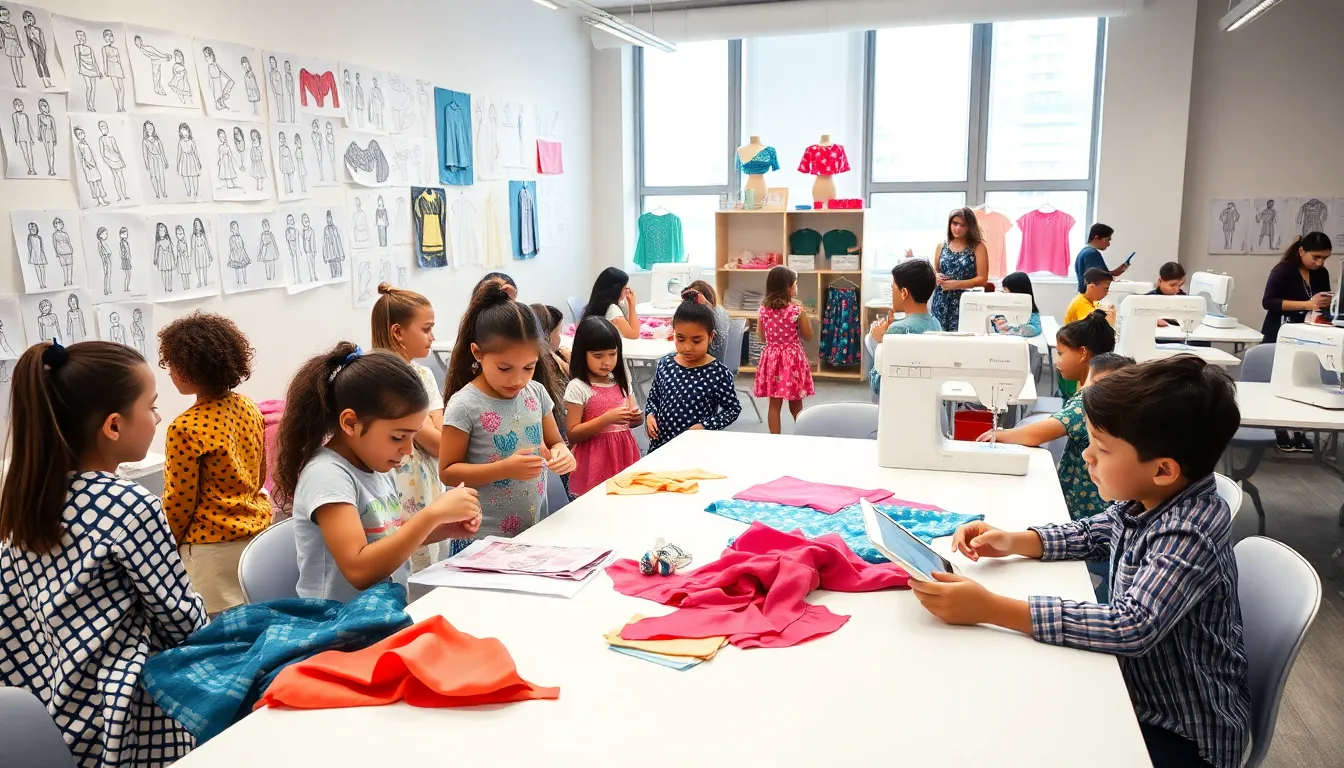
Fashion design education is about so much more than sewing techniques and color palettes. It provides an invaluable platform for children to grow and develop a wide array of skills.
Benefits Of Learning Fashion Design At A Young Age
Starting early in fashion design means embracing the opportunity to instill creativity in children when they are most impressionable. At this tender age, kids are like sponges, soaking up information and new skills with enthusiasm. Engaging them in fashion design classes encourages not just artistic abilities, but also valuable life skills. This form of education can lead to future opportunities in various creative fields.
Fostering Creativity And Self-Expression
Fashion design classes provide a unique outlet for children to express themselves. Each sketch they draw and every piece of fabric they touch transforms into a canvas of their imagination. With guided instruction, kids learn to develop their styles, encouraging individuality that nurtures self-confidence. Rather than being restricted by conventional ideas, they explore and redefine what fashion means to them.
Building Problem-Solving Skills
Navigating through design projects involves challenges that hone critical problem-solving abilities. Whether it’s figuring out how to sew two pieces of fabric together or selecting the right materials, young designers learn to approach obstacles with innovative solutions. These skills set a strong foundation that proves beneficial not just in fashion, but throughout their academic and personal lives.
Confidence Through Design Projects
Completing a fashion project is akin to climbing a mountain: it requires effort, creativity, and determination. Successfully creating a garment or accessory empowers children, instilling a sense of pride in their work. This newfound confidence extends beyond the classroom, as they become more willing to tackle new challenges in various aspects of life.
Types Of Fashion Design Classes Available
Fashion design classes come in various formats, ensuring there’s something for every aspiring designer out there.
Online vs. In-Person Classes
The debate between online and in-person learning is one that many parents face, especially today. Online classes offer flexibility and convenience, making it easy for busy parents to incorporate them into their family’s schedule. In-person classes, but, foster direct interaction between students and instructors, encouraging collaborative activities that can ignite a spark among peers. Finding the right balance depends on the child’s learning style and needs.
Workshops And Weekend Classes
For those wanting a taste of fashion design without a long-term commitment, workshops and weekend classes are the perfect solution. These short-term courses provide a condensed experience, allowing kids to explore different aspects of design, from draping fabric to understanding color theory, within a fun, engaging environment. It’s a great way for kids to see if they want to investigate deeper into this exciting world.
After-School Programs
After-school fashion design programs cater to students eager to build their skills throughout the academic year. These programs often feature a well-rounded curriculum, allowing students to work on long-term projects while balancing assignments and other activities. Not only do these classes grow their design abilities, but they also fit neatly within their regular routines.
What To Look For In A Fashion Design Class
With so many options available, knowing what to look for in a quality fashion design class can feel overwhelming. But worry not, we are here to guide you.
Curriculum and Course Structure
When choosing a class, the curriculum should be diverse and engaging. It should cover essential topics like sketching, sewing, color theory, and even fashion history. A well-rounded approach will help children appreciate the broader context of fashion while allowing them to explore personal creativity. Make sure the class structure includes hands-on projects that will keep kids invested and excited about learning.
Instructor Qualifications
Instructors play a crucial role in a child’s learning experience. Look for classes led by passionate educators with formal training and experience in fashion design. A knowledgeable instructor not only teaches skills but also inspires the next generation of designers. Plus, a bit of charisma never hurt anyone, especially when it comes to keeping kids engaged.
Class Size and Student Engagement
Finding the right class size can make a world of difference. Smaller class sizes help individual attention, ensuring every child receives guidance tailored to their needs. Engaged students are more likely to thrive, so find a program that encourages participation, collaboration, and an open forum for sharing ideas.
How To Get Started With Fashion Design Education
Embarking on a journey into fashion design education doesn’t have to be a challenging job. Here are some tips to help kids get started with their creative adventure.
Finding Local Programs
Start by searching for fashion design classes in your community. Community centers, art schools, and even local boutiques often offer introductory classes perfect for beginners. Attending open houses or trial sessions can provide a firsthand look into the environment and instruction styles. Involve your child in this process: they might be surprised by what catches their eye.
Exploring Online Learning Options
If local programs are scarce or your child prefers learning at home, explore the vast realm of online courses. Websites offer everything from beginner to advanced design classes, varying in price and time commitment. Be sure to read reviews and check the course syllabus to find an option that aligns with your child’s interests and skill level.
Encouraging Practice At Home
Once they’ve started their classes, encourage them to practice at home. Set up a mini-design studio in a corner of the living room or their bedroom, stocked with materials they can use to create their projects. Help them brainstorm ideas, or even join in the fun by creating something together. This collaborative environment boosts both skill and confidence.