Designing fashion for kids isn’t just about cute outfits: it’s about creating a world where comfort meets style. Imagine a mini runway with pint-sized fashionistas strutting their stuff and confidently expressing themselves. This guide will unravel the delightful world of kids’ fashion design, sprinkling in humor and knowledge along the way. From understanding what kids really want to explore the latest trends and materials, prepare for a stylish adventure.
Understanding Children’s Fashion Needs
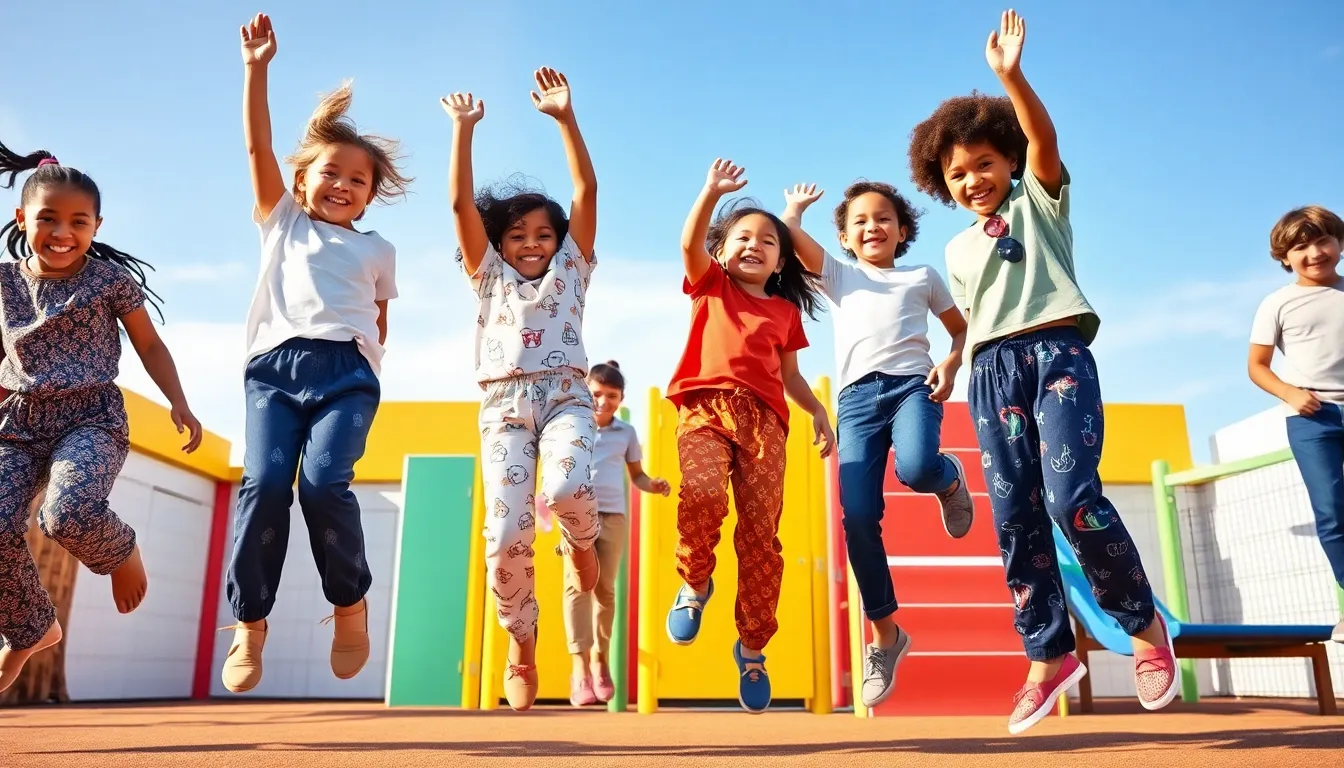
When it comes to children’s fashion, one size does not fit all. Kids are naturally energetic, curious, and creative. That’s why understanding their unique fashion needs is essential for any designer.
Importance Of Comfort And Functionality
First and foremost, comfort is king. Those adorable dresses and snazzy suits won’t do any good if kids can’t climb, run, and jump in them. Fabrics need to be breathable, stretchy, and washable. Think cotton, bamboo, or even recycled textiles that can withstand the inevitable spills but still pass the fashion test.
Balancing Style With Practicality
Now, while comfort reigns supreme, let’s not forget about style. Kids want to express themselves, and their clothing is an extension of their personality. Designers should aim to strike a balance between trendy looks and practical features. Loose-fitting pants with fun prints combined with soft tees can look fabulous and allow kids to move freely. Who says you can’t be stylish and comfy at the same time?
Current Trends In Kids’ Fashion
Fashion trends for kids are not just influenced by adult styles: they have their own unique flair. Designers need to stay in tune with what’s hot and happening.
Sustainable Fashion Options For Children
Sustainability is making a huge splash in the fashion world, even at the tiny-tot level. Parents are now looking for options that are eco-friendly, so incorporating organic fabrics and sustainable practices in designing kids’ clothing can set a brand apart. Think about using color dyes made from plant materials and upcycled clothing to reduce waste. It’s a win-win for fashion and the planet.
Incorporating Fun Elements In Design
Kids love fun. Fashion designers should play with colors, patterns, and whimsical designs. Floral motifs, superhero graphics, and playful animal prints captivate young eyes. By integrating fun elements like pockets shaped like animals or glow-in-the-dark features, designers will capture attention and smiles at the same time.
Techniques And Materials For Young Designers
Designing clothing for kids requires not just creativity, but also a solid understanding of techniques and materials.
Choosing Age-Appropriate Fabrics
Fabric choice is crucial for comfort and durability. For younger children, fabrics should be soft and itch-free. Natural fibers are often best, especially for sensitive skin. Playful patterns can also make the fabric choice more appealing, from polka dots to rainbows, the sky is the limit.
Designing For Different Body Types
Kids come in all shapes and sizes, and it’s essential to celebrate that diversity. Designers must be equipped to create clothing that fits and flatters different body types. A good approach is to adopt an inclusive mindset in sizing and styles: offering adjustable waistbands or elastic fittings can be very helpful. Everyone deserves to look fabulous.
Creating A Mini Fashion Line
Bringing a fashion line to life can seem daunting, but with creativity and planning, it’s entirely achievable.
Inspiration From Popular Culture
Popular culture greatly influences children’s fashion. Think animated characters, superheroes, or pop music stars: they drive kids’ desires. Incorporating these elements into fashion designs can create buzz and a loyal fan base. Collaboration with influencers or creators from platforms like TikTok can also elevate any mini fashion line and make it irresistibly appealing.
Steps To Launching A Collection
Launching a collection typically involves several key steps: research, design, production, and marketing. First, a designer should research trends, then create a cohesive collection with targeted styles. Next, finding manufacturers who can produce high-quality items at a reasonable price is crucial. Finally, marketing strategies can range from social media promotion to pop-up shops, giving young designers the opportunity to shine.