Hispanic family traditions are not just rituals: they’re the lifeblood of community and connection. Imagine a lively home filled with laughter, delicious aromas, and heartfelt stories echoing across generations. These traditions enrich lives, bringing families together in surprisingly delightful ways. Whether it’s a grand fiesta or a simple Sunday dinner, the heartbeat of Hispanic culture radiates from family bonds. Let’s jump into the vibrant world of Hispanic family traditions, where warmth meets joy and connection reigns supreme.
The Importance of Family in Hispanic Cultures
Family isn’t just a part of life for Hispanic cultures: it is life. In many Hispanic households, the value placed on family shapes everyday decisions and long-term goals.
Role of Extended Family
Extended family members often live close by or even under the same roof. It is not unusual for grandparents, aunts, uncles, and cousins to play an integral role in a child’s upbringing. Their involvement fosters a robust support system, providing guidance and unconditional love. This web of relationships cultivates a sense of belonging, strengthening familial ties across generations.
Familism: A Core Value
Familism, the idea that the family’s needs and interests come before individual desires, is a strong ethos in Hispanic cultures. This principle nurtures loyalty and prioritizes collective harmony over individual aspirations. Decisions are made with the family’s welfare in mind, whether it’s choosing a career, celebrating milestones, or even planning vacations. In essence, family is not just an aspect of life: it’s a foundational pillar that influences nearly every facet of daily living.
Celebrations and Festivals
Hispanics love to celebrate life. The calendar year is sprinkled with vibrant festivals and holidays that showcase cultural richness and familial bonds.
Holidays and Their Traditions
From Las Posadas during Christmas to Día de los Muertos in November, each holiday is filled with distinct customs that draw families together. For instance, during Día de los Muertos, families create altars to honor deceased loved ones, sharing stories, food, and memories. Such traditions not only preserve history but also reinforce bonds between the living and the departed.
Quinceañera: A Milestone Celebration
The Quinceañera is one of the most significant celebrations in Hispanic culture, marking a girl’s transition into womanhood at the age of fifteen. This event is a grand affair, including a religious ceremony, followed by a lavish party with family and friends. Symbolizing love, respect, and pride, it’s an unforgettable event that solidifies the family’s ties and celebrates a treasured milestone.
Religious Observances
Faith often intertwines with daily life in Hispanic communities, creating a rich tapestry of rituals and observances.
Significance of Faith and Rituals
Many Hispanic families participate in religious activities that underscore their beliefs. Whether through attending church services or partaking in communal prayers, faith plays a pivotal role. Many families incorporate religious iconography in their homes, creating a sacred environment that reflects their values.
Cultural Practices During Religious Events
Cultural practices during religious events often combine native customs with Catholic traditions. For example, during Holy Week, rituals may include re-enactments of the Passion of Christ, filled with community participation and family bonding. These observances nurture a collective sense of spirituality and reinforce familial unity, deepening the bonds shared among family members.
Culinary Traditions
Food holds a crucial place in Hispanic family traditions, acting as a platform for gathering and connection.
Signature Dishes and Special Recipes
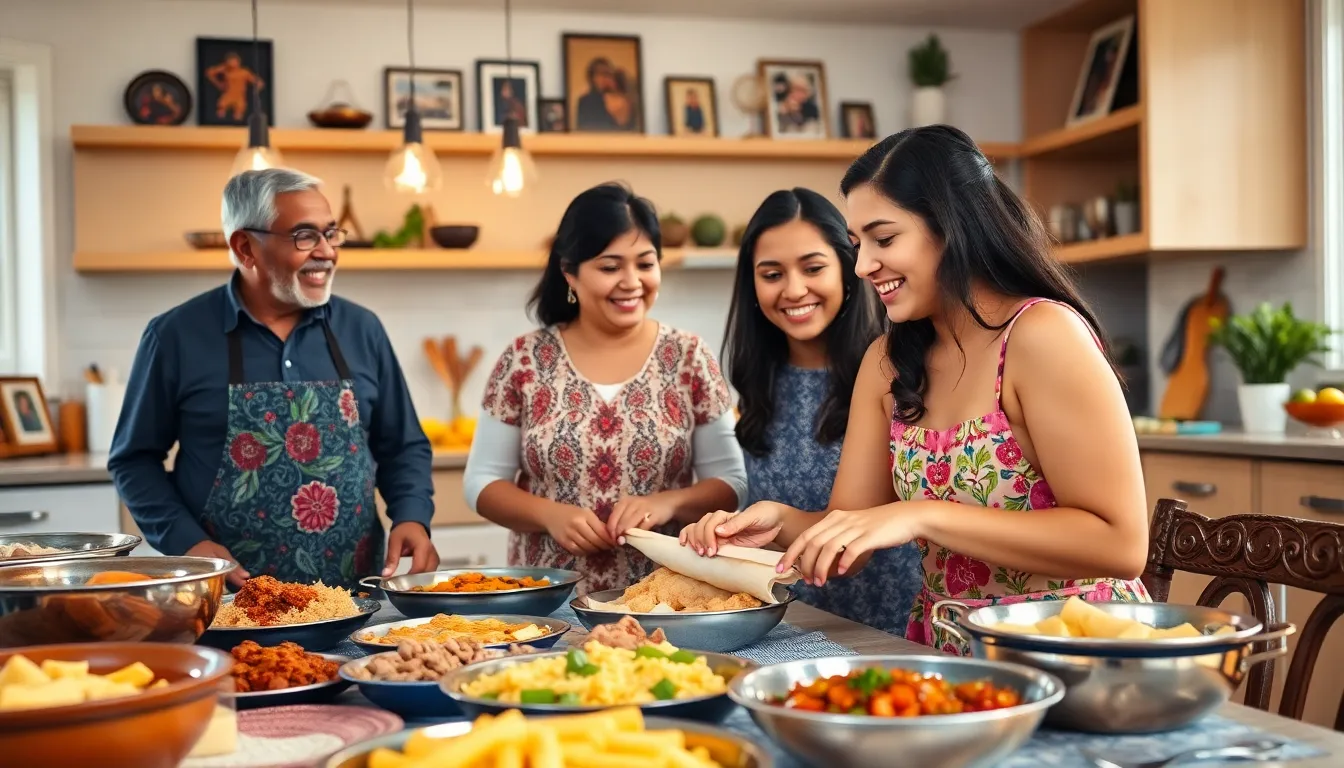
Each family often has signature dishes that are passed down through generations. Whether it’s tamales during Christmas or paella on special occasions, these meals signify more than just nourishment: they represent family history and identity. Recipes evolve, yet each preparation tells a story of love, tradition, and togetherness. Traditional ingredients play a big role in keeping cultural practices alive, allowing families to reminisce while preparing these cherished dishes.
Food as a Family Gathering Occasion
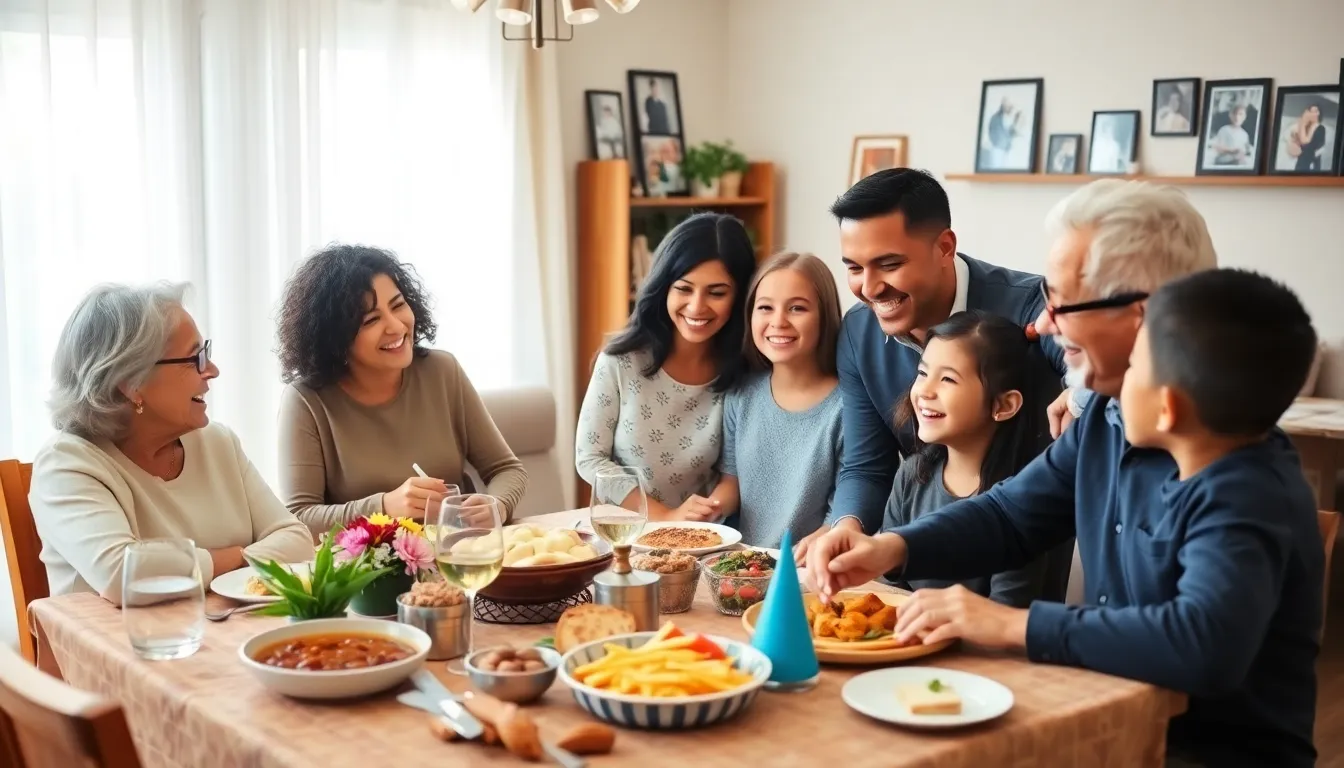
Family gatherings are often centered around meals, providing a perfect setting for storytelling and sharing. Imagine sitting around a table, laughter filling the air as everyone enjoys dishes prepared with love. These moments create lasting memories and solidify family bonds, who can resist sneaking seconds when grandma’s secret recipe is involved?
Storytelling and Oral Traditions
Storytelling is a treasured tradition within Hispanic families, serving to preserve history and strengthen connections between generations.
Passing Down History Through Stories
Oral traditions, often led by the eldest family members, create opportunities to pass down wisdom, values, and family history. These narratives include tales of ancestors, cultural heritage, and moral lessons that resonate through time. Children learn about their roots and the significance of their cultural identity, fostering pride in where they come from.
Impact of Folklore and Myths
Folklore and myths play a significant role in shaping a family’s cultural landscape. Tales of La Llorona or El Chupacabra spark imaginations while often conveying moral lessons. These stories bond families through shared experiences and provide a sense of continuity, showing that the past is always with them.