As the holiday season approaches, the air fills with the scent of pine, cinnamon, and a hint of family drama. Holiday traditions aren’t just rituals; they’re the glue that binds families together, often with a dash of chaos. Whether it’s the annual fruitcake that no one really wants or that one relative who insists on wearing a reindeer sweater, these quirky customs bring laughter and joy to the festivities.
Overview of Holiday Traditions
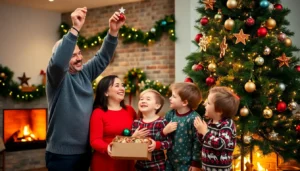
Holiday traditions play a significant role in family bonding. They create shared experiences that foster closeness. Customs vary widely across cultures, reflecting unique histories and beliefs. In many households, decorating the Christmas tree becomes a cherished ritual involving everyone. Others may engage in lighting candles for Hanukkah, symbolizing hope and resilience.
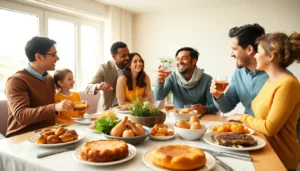
Families often gather to prepare traditional meals that evoke nostalgia. For example, Thanksgiving turkey and pumpkin pie represent a time for gratitude and togetherness. Certain cultures celebrate with music and dance, enhancing the festive atmosphere.
Unique traditions emerge from individual families, adding personal touches to broader celebrations. Activities such as gift exchanges highlight the spirit of giving and kindness. Some cultures incorporate specific games and stories, enriching the holiday experience for all ages.
Particular holidays like Diwali showcase vibrant festivals of lights, emphasizing victory over darkness. In contrast, New Year’s Eve traditions often focus on reflection and resolution. Families toast to the past year while embracing hopes for the coming one.
Through these diverse rituals, people build connections and nostalgia. Whether festive meals, communal prayers, or creative decorations, holiday traditions unite families and communities. They transform ordinary moments into extraordinary memories, creating a tapestry of shared joy during the holiday season.
Unique Holiday Traditions Around the World
Various holiday traditions showcase cultural uniqueness and foster community. Each region celebrates in distinct ways that highlight their history and beliefs.
Europe
Europe boasts diverse customs, making holiday celebrations vibrant. In Spain, revelers celebrate Epiphany by sharing Rosca de Reyes, a sweet bread adorned with figurines. Germany contributes to the festive spirit with its Christmas markets, where people enjoy mulled wine and handmade crafts. Families in Italy gather for the Feast of the Seven Fishes on Christmas Eve, reflecting culinary heritage. Sweden lights up with St. Lucia Day, featuring processions of children in candlelit crowns. These traditions unify communities and emphasize shared values.
Asia
Asia celebrates features rich and varied holiday traditions. In India, Diwali illuminates homes with lamps to symbolize the triumph of light over darkness. Families prepare special sweets and perform rituals to honor deities. Japan observes Obon, where families reunite to honor ancestors, offering food and prayer. China welcomes the Lunar New Year with lion dances, fireworks, and red envelopes containing money. Each custom reflects deep cultural roots, strengthening bonds among loved ones.
North America
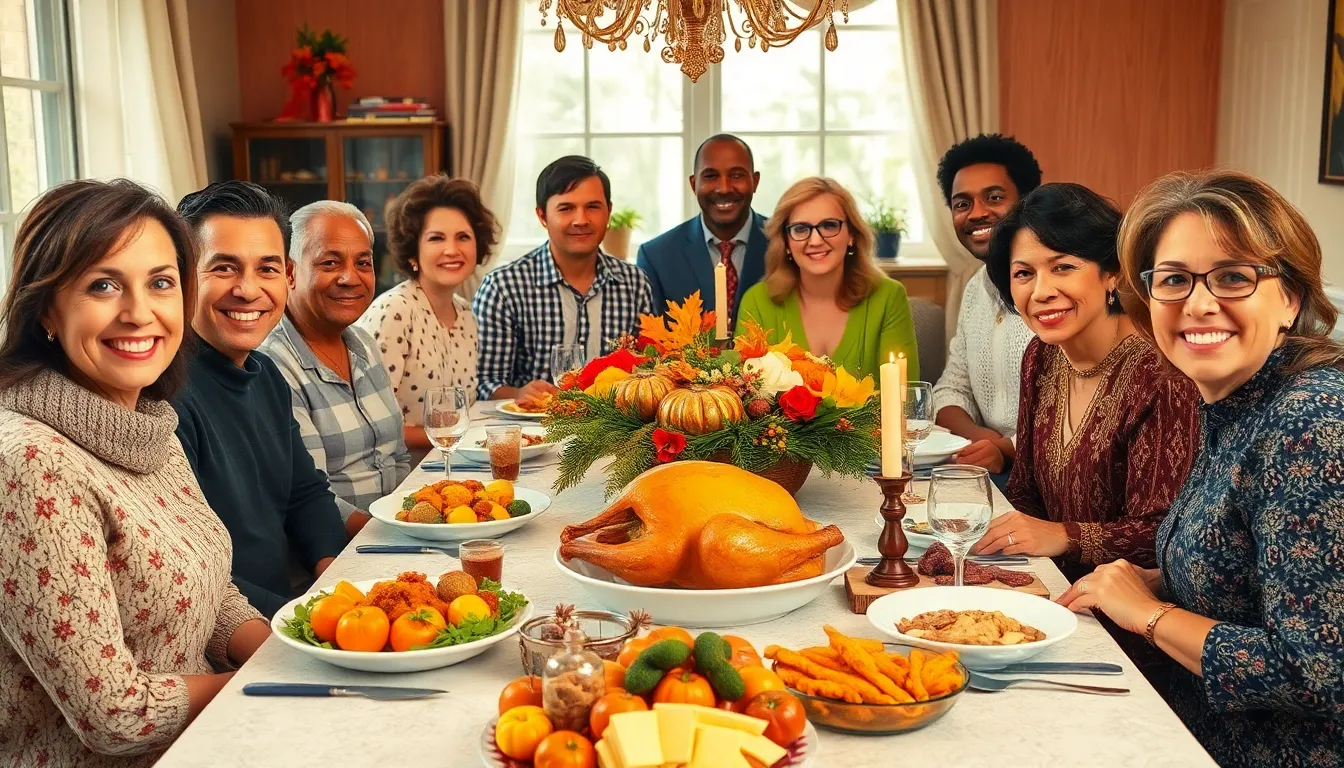
North America presents an array of unique holiday traditions reflecting its melting pot culture. Thanksgiving centers around family gatherings, featuring turkey, stuffing, and pumpkin pie, reminding participants to appreciate their blessings. In Mexico, Día de los Muertos honors deceased loved ones, combining joy and remembrance. Festivities include colorful altars and vibrant processions. Various regions celebrate Christmas with distinct customs, from exchanging gifts to festive parades. These traditions help forge connections and create cherished memories.
Common Themes in Holiday Traditions
Holiday traditions often revolve around recurring themes that highlight the essence of togetherness, cultural values, and community spirit.
Family Gatherings
Family gatherings serve as the cornerstone of holiday traditions. They bring relatives together, creating a festive atmosphere filled with laughter and love. Many families prioritize these get-togethers, setting aside time during busy schedules to reunite. Activities such as exchanging stories or sharing memories happen during these moments, strengthening familial bonds. Various generations participate, ensuring that young ones learn the importance of these customs. Holiday events celebrate unity, making them integral to the season’s spirit.
Food and Feasting
Food and feasting play a central role in holiday celebrations. Traditional meals often evoke nostalgia and connect families to their cultural heritage. Thoughtfully prepared dishes, like Thanksgiving turkey or Christmas ham, become staples at many tables. Recipes passed down through generations carry stories and memories that enhance the dining experience. Sharing meals allows families to bond over flavors that spark joy and comfort. The act of breaking bread cultivates gratitude and reinforces the importance of family togetherness during the holidays.
Rituals and Celebrations
Rituals and celebrations reflect unique cultural values and beliefs. Various activities symbolize hope, joy, or reflection, like lighting candles during Hanukkah or decorating Christmas trees. These practices encourage participation and often involve all family members. Specific traditions, such as making New Year’s resolutions or participating in Diwali festivities, create opportunities for individuals to express their aspirations and gratitude. Celebrating these rituals fosters a sense of belonging and continuity, allowing families to connect through shared experiences across generations.
The Evolution of Holiday Traditions
Holiday traditions transform over time, adapting to cultural shifts and societal changes. With globalization, many practices now merge, reflecting diverse influences. Families often revise rituals, incorporating new elements while maintaining core values.
Historical contexts shape these traditions as they evolve, moving from ancient customs to modern celebrations. For example, Christmas’s roots in winter solstice festivities highlight its transition into a religious holiday. Similarly, the significance of Thanksgiving has expanded, emphasizing gratitude in various ways across different families.
Cultural exchanges spark the creation of hybrid traditions. Asian and Western customs blend during holiday celebrations, encouraging families to explore and embrace new experiences. Diwali lights might coexist with Christmas trees, symbolizing unity and shared joy.
Modern technology influences holiday celebrations. Virtual gatherings enable families to connect across distances, enriching traditions with digital interactions. Social media platforms showcase unique festivities, inspiring others to adopt new practices or share their experiences.
Food continues to play a pivotal role in holiday traditions. Each culture boasts specific dishes that evoke memories and foster connections. Family recipes, such as Italian lasagna or Mexican tamales, connect generations, passing love and history through shared meals.
Overall, holiday traditions evolve while remaining grounded in cultural significance. They capture the essence of family, community, and shared values, reinforcing their importance across generations. Embracing this evolution allows people to celebrate diverse heritages, fostering connections that strengthen the bonds of family and friendship.
Holiday traditions serve as vital threads that weave families together during festive times. They create cherished memories that resonate across generations. The blend of cultural practices and personal touches enriches these celebrations, making each unique and meaningful.
As traditions evolve they adapt to modern life while retaining their core significance. This adaptability ensures that families can continue to connect and celebrate their heritage in ways that reflect their values and experiences.
Ultimately, embracing holiday traditions fosters a sense of belonging and unity. They remind everyone of the joy found in shared moments and the importance of community and family bonds.